











 |
|||||||||||||||||||||||||||||||||||
|
Hydroponic Sensors
|
|||||||||||||||||||||||||||||||||||
What are Hydroponic Sensors?As the planet Earth's population crosses the 8 billion people threshold and more people are living in urban centers, maintaining adequate food production is an ever-growing concern. Furthermore, society demands “organic”, and “pesticide-free” produce, ideally grown locally, close to the urban centers.
Automated vertical farming is a type of agriculture that uses technology to grow crops in vertically stacked layers, usually in a controlled environment. This type of farming increases food production while taking less of an environmental toll than traditional farming, thus benefiting society in several ways. Compared to traditional agriculture, vertical farming has a smaller footprint, uses less water, and yields more crops. Additionally, it requires smaller usage of pesticides and fertilizers and provides a more consistent and reliable food supply.
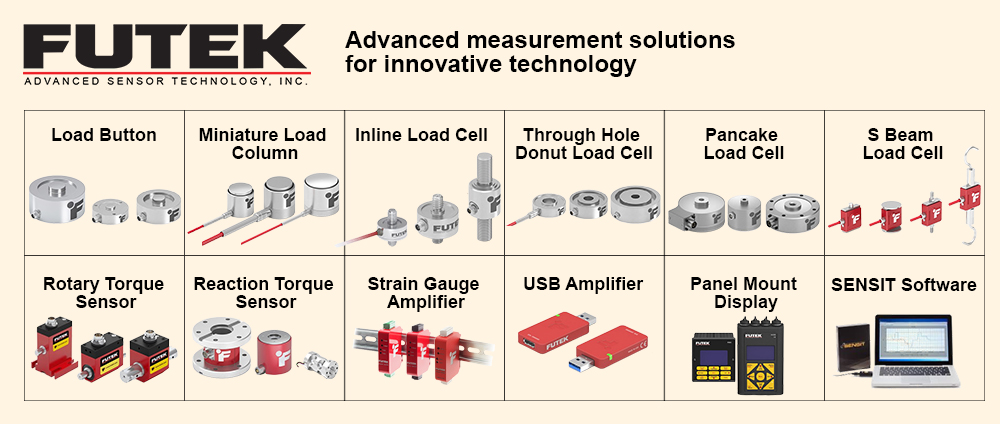
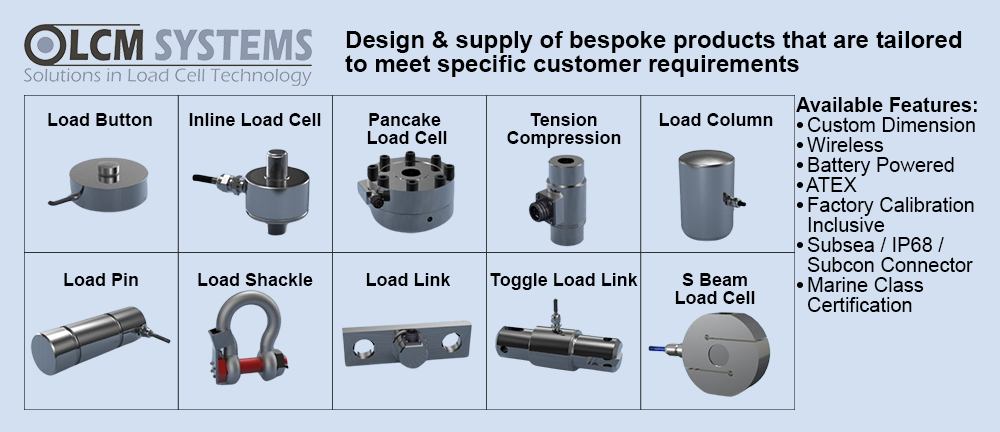
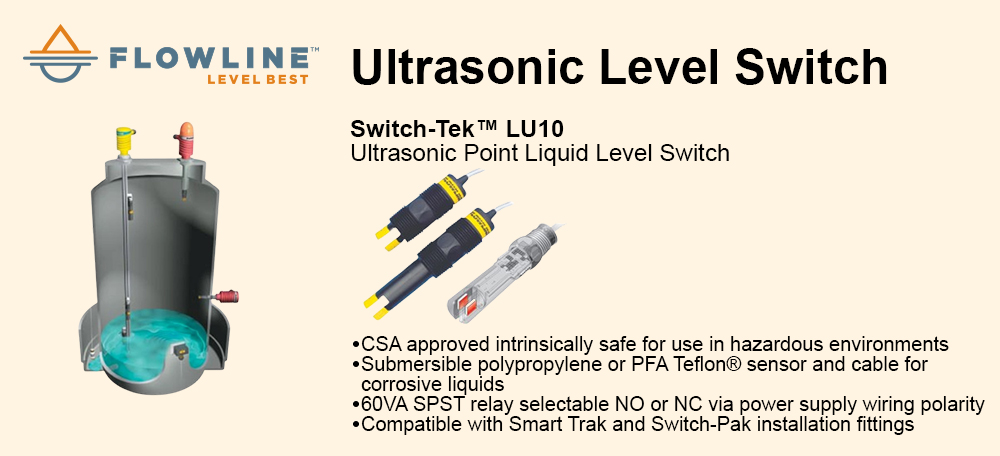
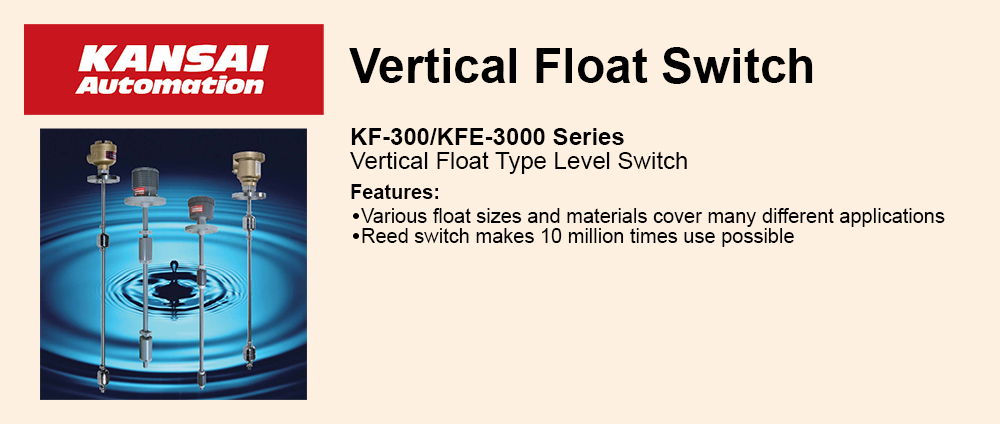
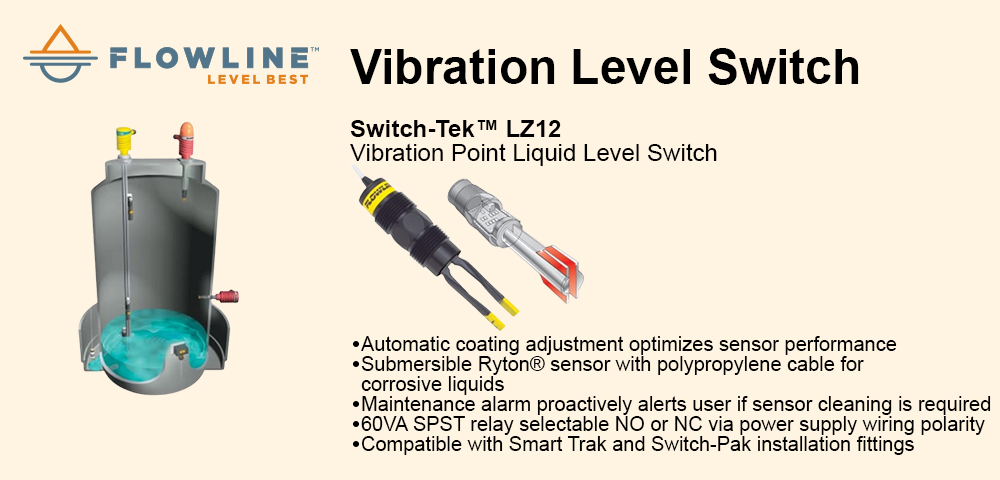
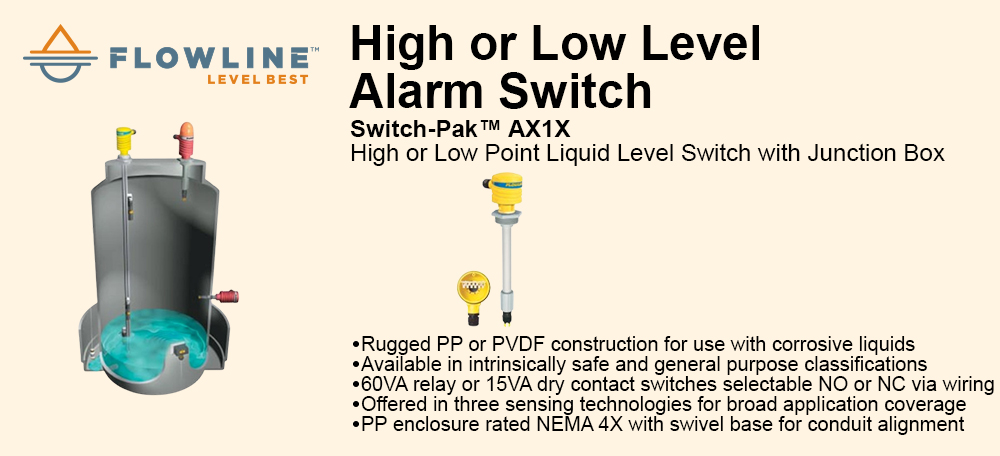
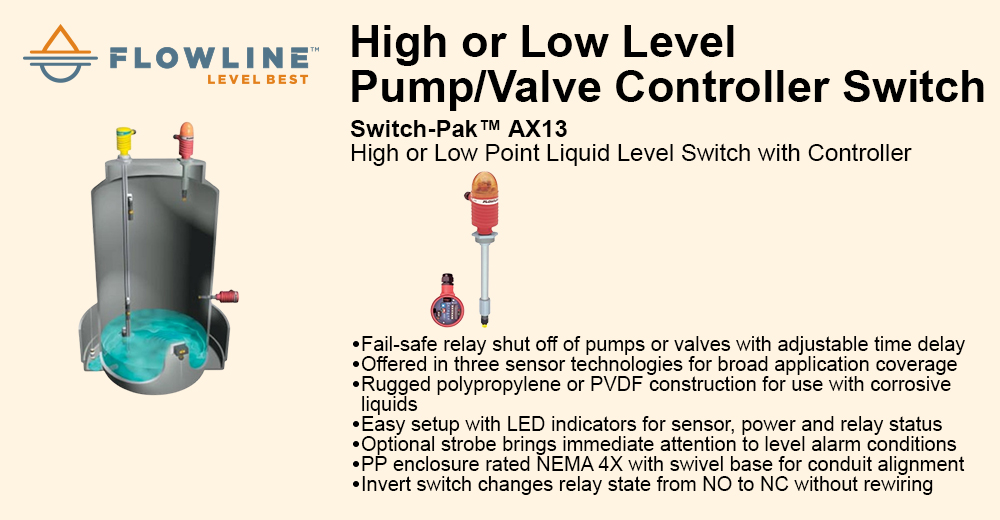
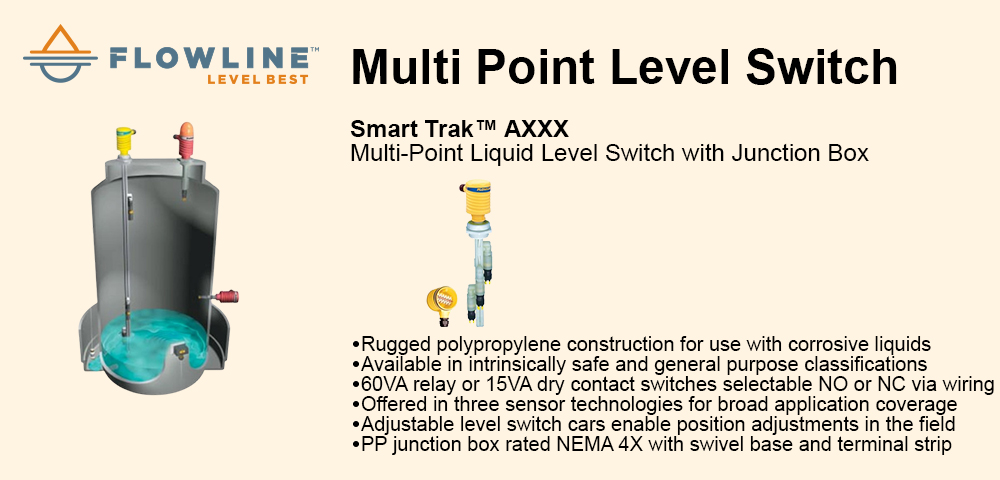
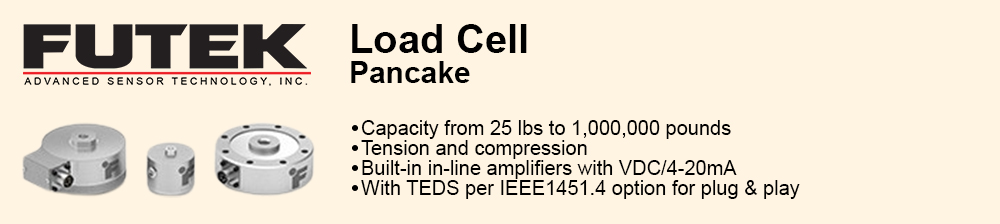
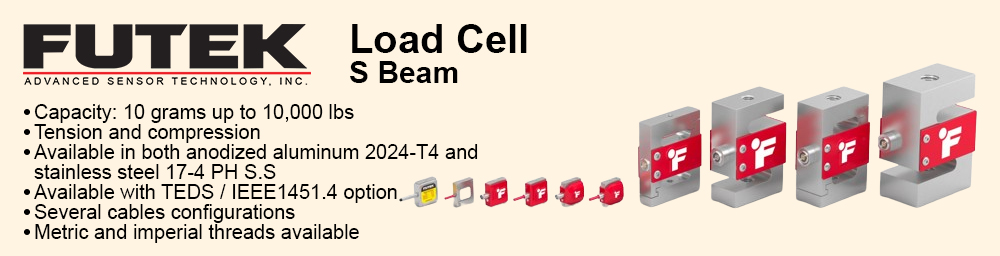
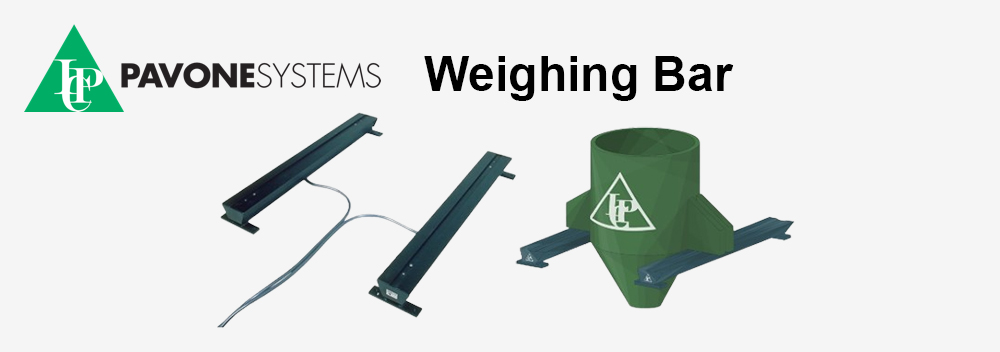
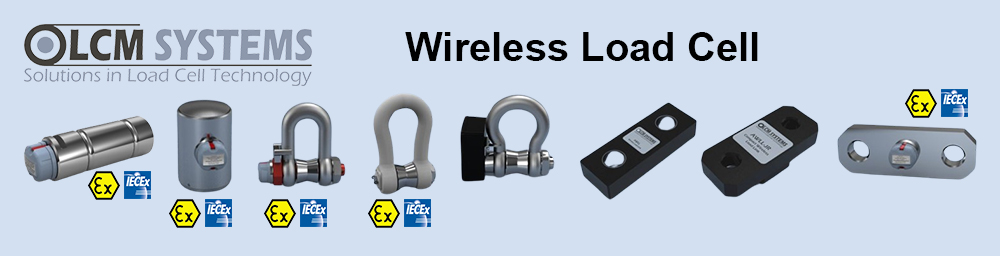
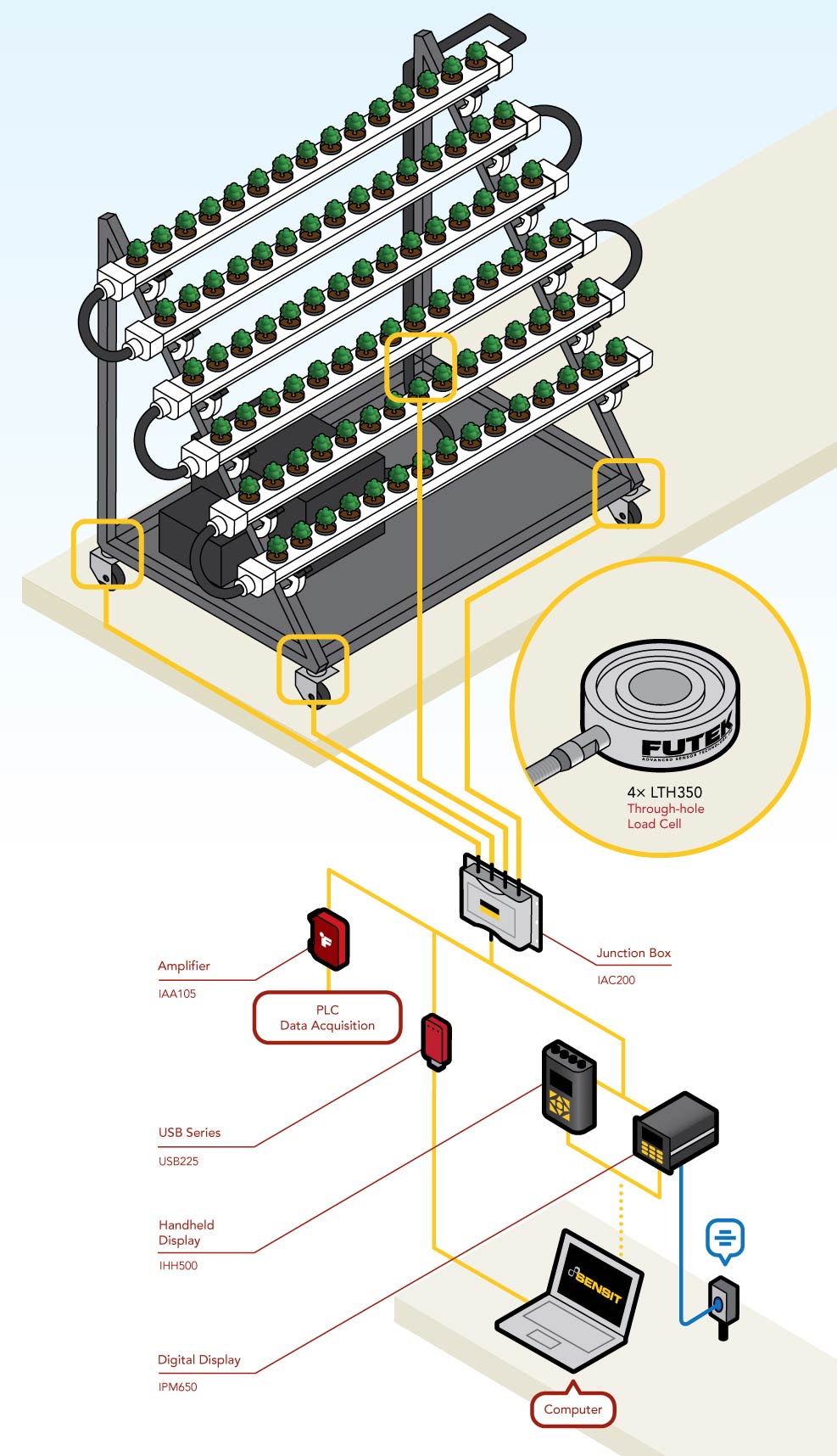
In the context of vertical farming, the Internet of Things (IoT) and Hydroponic Sensors has been a catalyst to the industry, providing innovative solutions for farmers to maximize efficiency and output. Hydroponic sensors, particularly load cell and force sensors, play a critical role in monitoring and controlling the growing environment. These sensors provide real-time data on key parameters such as weight, force, and pressure, enabling farmers to optimize growing conditions for their crops.
One of the main benefits of using hydroponic sensors is that they can help automate the entire vertical farming process. By integrating sensors with a central control system, growers can remotely monitor and control the growing environment. This allows growers to automate tasks such as adjusting the nutrient levels, water supply, and lighting, which would otherwise require significant time and labor.
How can load cell sensors maximize efficiency in automated vertical farming?
|
|||||||||||||||||||||||||||||||||||
|
How it Works
|
|||||||||||||||||||||||||||||||||||
|
|||||||||||||||||||||||||||||||||||
|
Products in Use
|
|||||||||||||||||||||||||||||||||||
|
|||||||||||||||||||||||||||||||||||
LTH350-DONUT-LOAD-CELL-1_THUMB.jpg)