






















































 |
|||||||||||||||||||||
|
What is Thrust Force and Torque in Drilling?
|
|||||||||||||||||||||
|
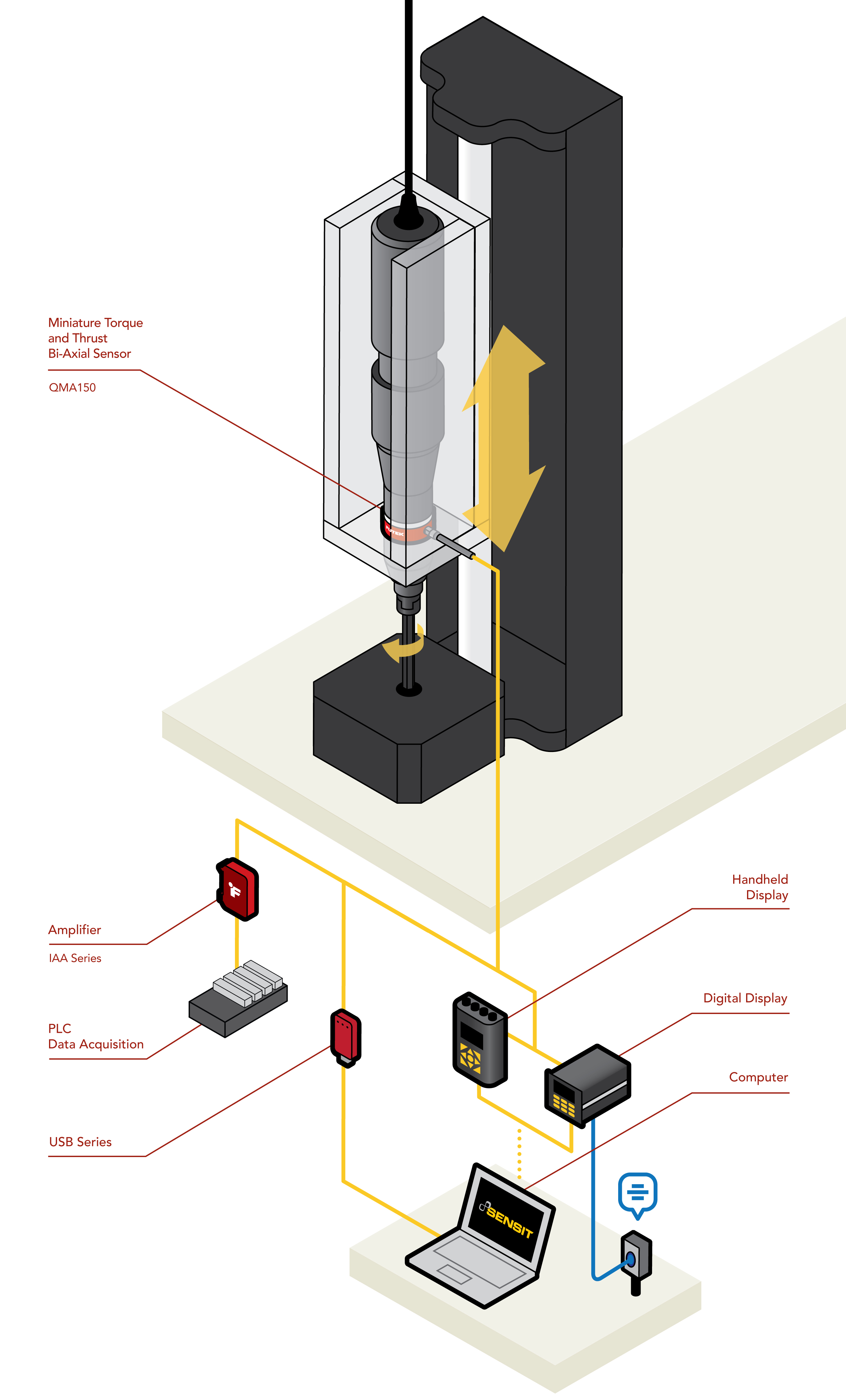
What role do thrust force and torque measurement play in drilling?
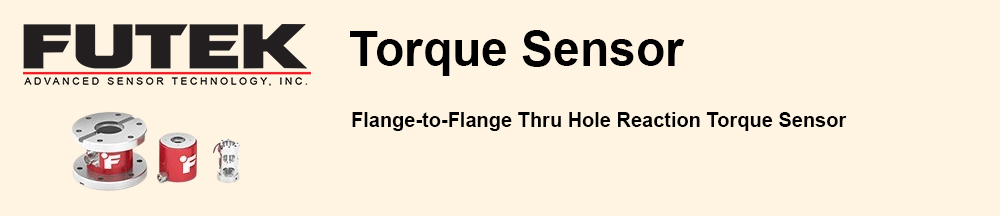
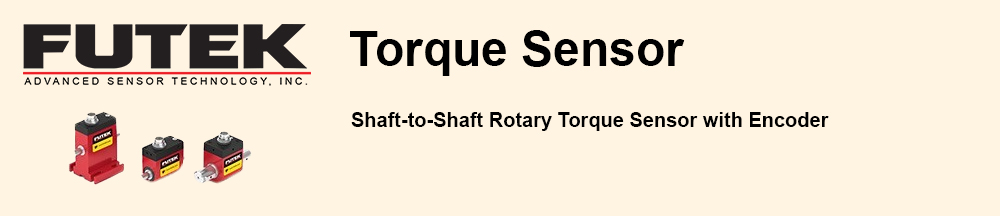
Drilling is probably one of the most important and widely used machining operations. The ability to predict cutting forces is essential in order to optimize the design and manufacturing of products as thrust force and drilling torque measurement are indicators of the resistance of the material against the intrusion of the cutting tool.
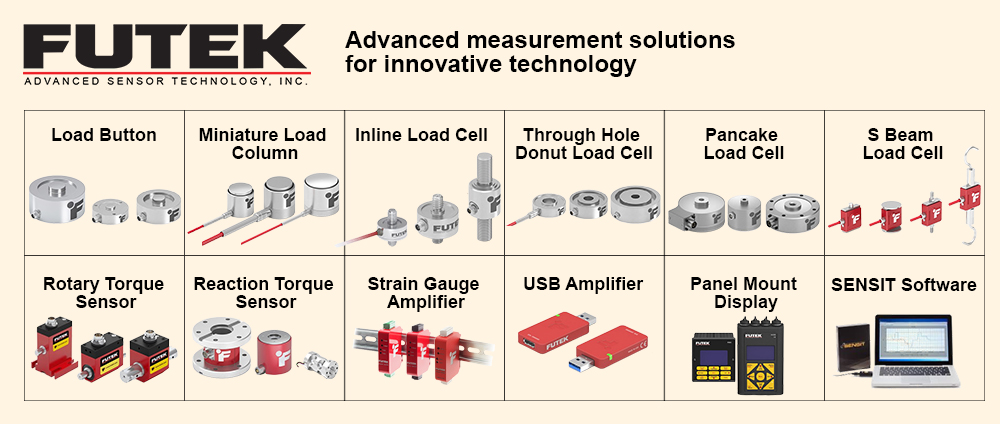
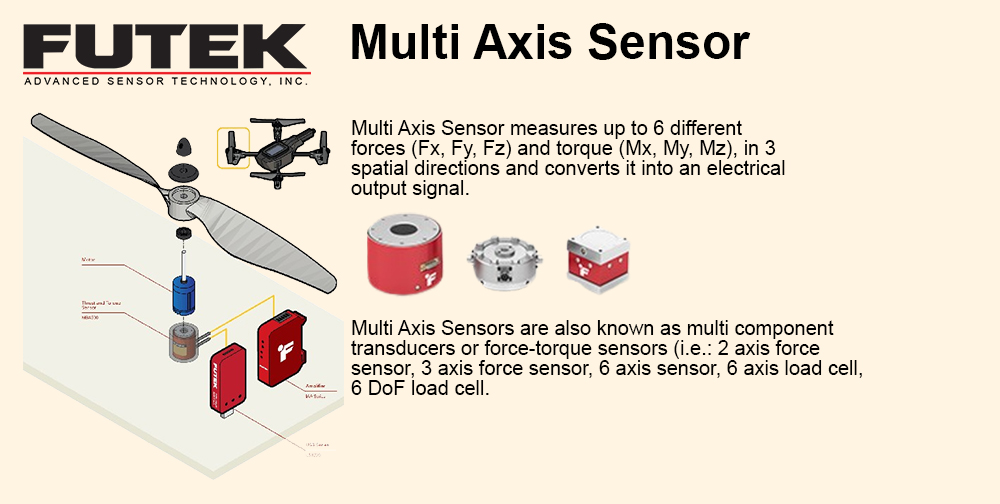
Designers strive to better understand the heat generation and temperature changes during friction drilling operation on difficult-to-machine materials, and thrust force and torque measurement support this effort with crucial data on the cutting force. What are other benefits of measuring thrust force and torque measurement in drilling? Accurately measuring drilling torque and thrust also helps in the design of fixtures and the prediction of wear and tear of cutting tools. Based on the drilling measurement data, operators and manufacturing engineers can make the following optimizations:
Thrust Force and Torque Measurement in Surgical Drilling Applications In remote robotic surgery, thrust force and torque in drilling systems offer valuable haptic feedback. As the surgeon conducts the procedure in a remote console, the tactile force and torque feedback of an electrically powered hand drill gives the surgeon a virtual sense of touch. |
|||||||||||||||||||||
|
How it Works
|
|||||||||||||||||||||
|
|||||||||||||||||||||
|
Products in Use
|
|||||||||||||||||||||
|
|||||||||||||||||||||